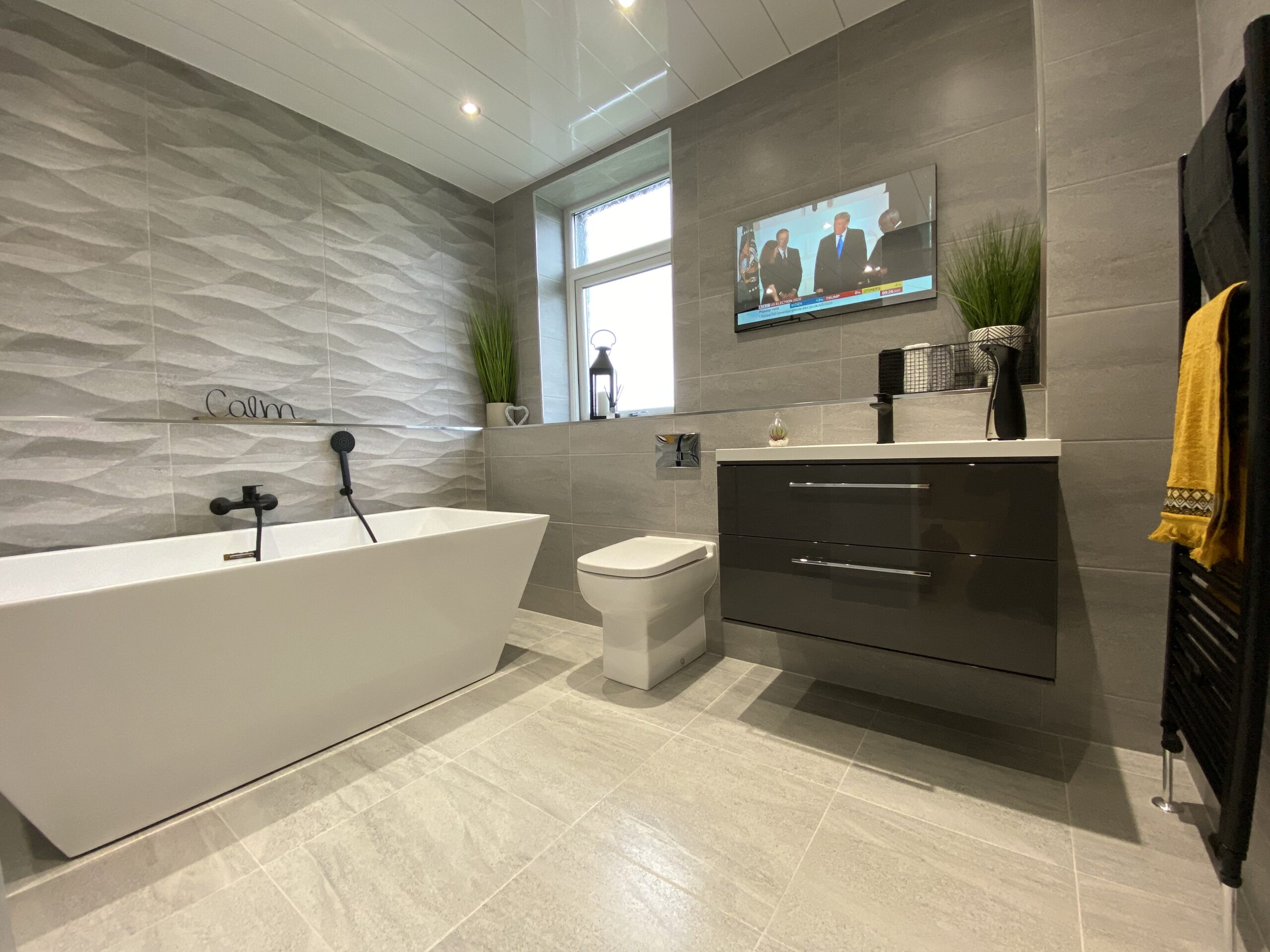
Can a toilet be next to a bath
It is possible to place a toilet next to a bath. This is a good way to use the space in bathrooms efficiently. However, there are some things to think of when planning it.
- Plumbing needs to be done right for proper water flow and drainage. A professional plumber should be consulted to make the right connections. Make sure to give the bathroom proper ventilation too, to avoid bad smells.
- Privacy needs to be taken into account. Use screens or partitions to separate the fixtures.
Also, choose fixtures that go together. Matching colors, styles, and materials makes the bathroom look great.
I once visited a friend’s house where the toilet was next to the bath. At first, it seemed strange to me. But after using the bathroom, I noticed how easy it was to move between the two fixtures and how much space it saved.
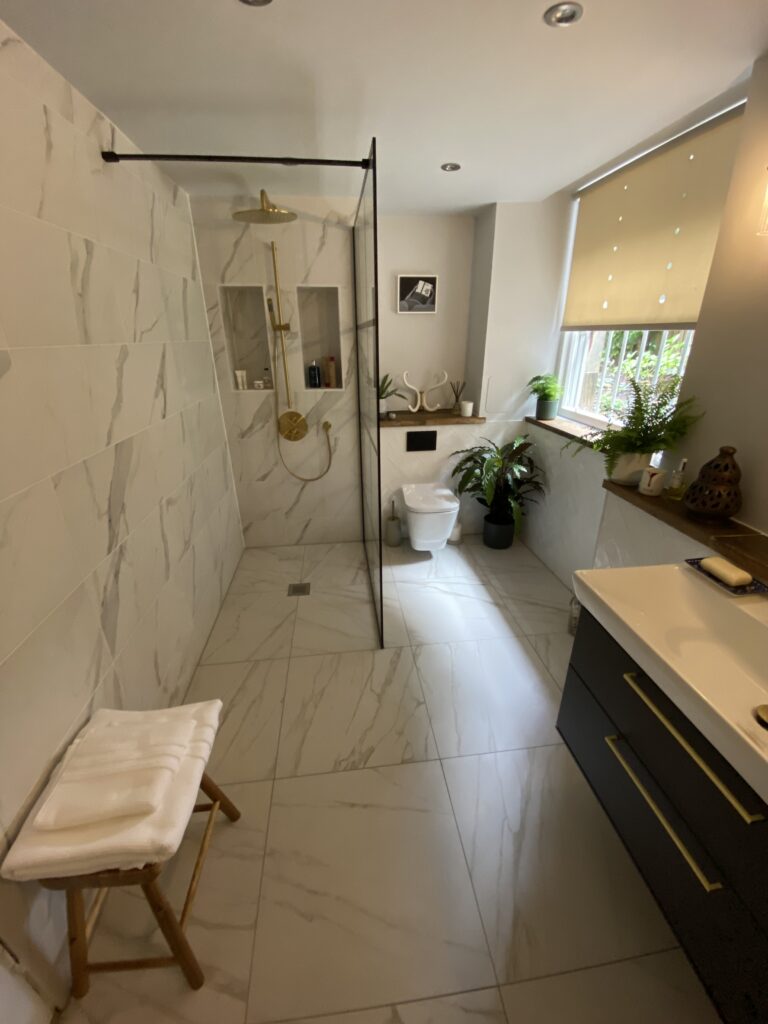
Understanding the plumbing requirements for a bathroom
Let’s look at plumbing needs for a bathroom in table form:
| Plumbing Requirement | Description |
|---|---|
| Water Supply | Make sure there’s enough hot and cold water. Include right size pipes, pressure regulation, and access to shut-off valves. |
| Drainage | Put in the right size pipes, traps, vents, and slope for drainage. |
| Fixture Rough-ins | Put in pipes and fittings before fixtures like toilets, sinks, etc. |
| Ventilation System | Ventilation is important to get rid of moisture, smells, and improve air quality. |
Remember to follow local building codes and regulations. Get a professional plumber to help you, it’ll save time and money.
Plumbing has come a long way. In Ancient Rome, people used public baths which had clever plumbing systems with pipes and aqueducts for hot and cold water.
When planning your bathroom, remember plumbing is not just about function. It’s about making a space to relax in. Think about plumbing needs so your bathroom is great for many years.
Exploring the possibilities of having a toilet next to a bath
Can we place a toilet next to a bath? Let’s explore the potential pros and cons.
- Convenience: Easier in the morning rush! You don’t have to move around much.
- Space Optimization: Great for small bathrooms. You can fit other fixtures in the same area.
- Aesthetics: Careful design can make it look great.
- Functional Separation: Keeps hygiene standards high.
- Noise Reduction: Doors or partitions can help muffle the sound.
To enhance it further, integrate storage solutions and decorative elements.
Traditionally, baths and toilets were separate for sanitation and privacy. Now, with modern designs, it’s possible to have a toilet near a bath.
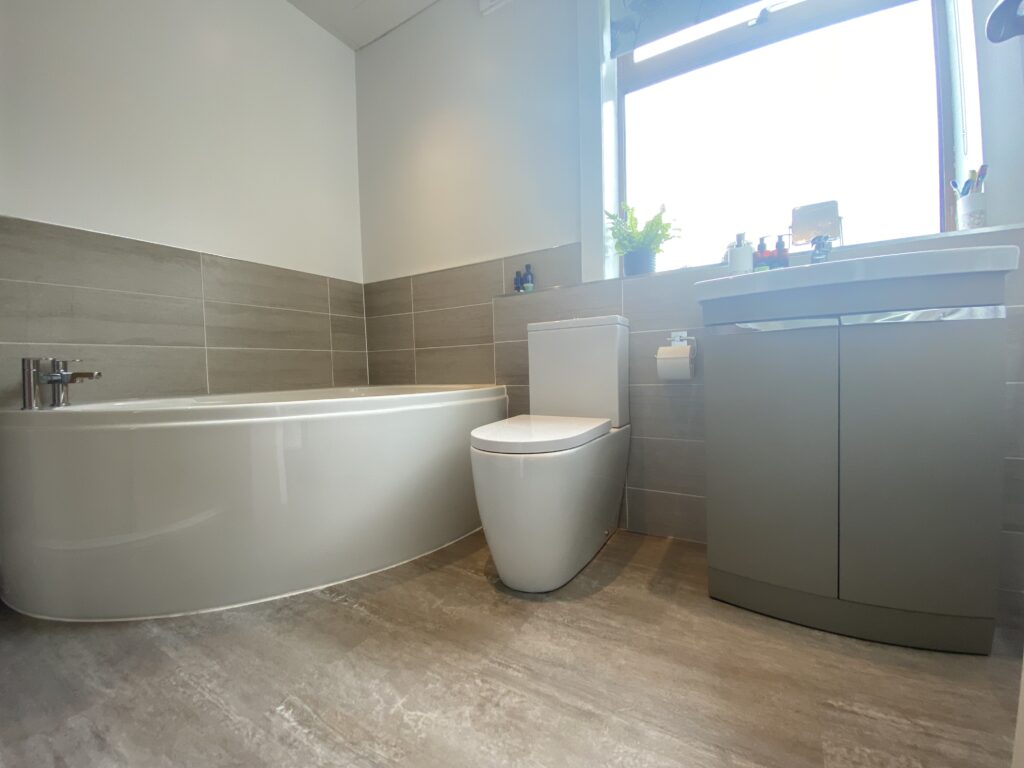
Steps to consider when placing a toilet next to a bath
Careful consideration is key when placing a toilet next to a bath for practicality and functionality in the bathroom. Here are the steps to follow:
- Layout: Measure the bathroom dimensions to determine if there’s enough space for the two fixtures. Include door swings, clearance and accessibility.
- Distances: Accurately measure the distance between the toilet and bath. Allow enough room for movement and comfortable use.
- Plumbing: Consult a professional plumber to plan and install the pipes and drains for both fixtures. This will ensure efficiency and avoid future issues.
- Ventilation: Ensure adequate ventilation to avoid moisture buildup. Install an extractor fan or make sure there’s proper air circulation.
- Aesthetics: Coordinate the style, material and color of both fixtures. Choose accessories that enhance the bathroom design.
- Functionality: Test the fixtures for water flow, flushing and any leaks or malfunctions.
Plus, building regulations vary by location. Talk to local authorities or building professionals before proceeding with any installations.
Pro Tip: Opt for compact fixtures that maximize space without compromising comfort or functionality.
Tips for creating a functional and visually appealing bathroom layout
Achieving a perfect bathroom layout requires thought and planning. Here’s some advice:
- Think about space: Place fixtures and fittings carefully to make the most of the room. Consider how you move around and use the toilet, bath and sink.
- Lighting matters: Make sure your bathroom is bright and inviting. Use natural light plus artificial lighting, such as overhead and wall lights.
- Pick the right materials: Choose materials that are water-resistant and easy to clean. Tiles and waterproof paint work well for walls, and non-slip flooring for safety.
To finish, look at the small details. This could include storage, such as shelves or a vanity; decorative items like artwork or plants; and practical additions like a shower curtain or glass screen.
Did you know? In European bathrooms, it’s common to have the toilet next to the bath, as it saves space while remaining convenient.
Conclusion
Designing a functional bathroom requires thought about where to place the toilet and bath. Surprisingly, having a toilet next to a bath can be practical. It saves space and reduces plumbing needs.
But, certain factors need considering. Privacy must be considered. This could be done using partitions or other bathroom features. Also, proper ventilation and lighting should be used.
In reality, this arrangement has been successful. An architect placed a toilet next to a freestanding bath in a small bathroom. The area was saved and it became an aesthetically pleasing focal point.
Thinking outside the box and considering unconventional solutions – like having a toilet next to a bath – can create unique and functional bathrooms. With the right planning and attention to detail, this combination can be effective and attractive.
Frequently Asked Questions
1. Can a toilet be next to a bath?
Yes, a toilet can be placed next to a bath. It is a common layout in many bathrooms.
2. What are the considerations when placing a toilet next to a bath?
When placing a toilet next to a bath, it is important to consider proper spacing, ventilation, and access for maintenance. Adequate clearance and a suitable extractor fan can help mitigate any potential issues.
3. Are there any building regulations regarding the placement of a toilet next to a bath?
Building regulations may vary by location, so it is important to check with your local authorities. In general, there are guidelines for minimum clearances and requirements for proper ventilation to ensure safety and hygiene.
4. Can plumbing be easily connected when a toilet is next to a bath?
Plumbing connections can typically be made without significant difficulties when a toilet is placed next to a bath. However, it is recommended to consult a professional plumber to ensure proper installation and avoid any potential issues in the future.
5. Are there any advantages to having a toilet next to a bath?
Having a toilet next to a bath can be convenient, especially in compact bathrooms where space is limited. It allows for efficient use of available space and can make plumbing installation more straightforward.
6. Can privacy be a concern when a toilet is placed next to a bath?
Privacy can be a subjective matter, and it depends on personal preferences. However, modern bathroom designs often incorporate partitions, screens, or separate alcoves to maintain privacy when the toilet is placed next to a bath.


