Can a plumber design a bathroom
Designing bathrooms is usually the job of architects and interior designers. But, plumbers can offer a unique perspective too! Plumbers have essential skills and knowledge that make them perfect contenders.
Functionality and practicality are must-haves for a bathroom. Plumbers know all about water supply systems and drainage, so they can design layouts for optimal water flow and efficient plumbing. This guarantees a bathroom that works with no problems.
Plus, plumbers understand building regulations and safety standards related to piping, fixtures, and fittings. With this knowledge, they can design a bathroom that follows all the relevant codes. This not only keeps everyone safe, but also avoids legal troubles.
On top of that, plumbers have lots of experience with bathroom projects. They know common plumbing problems, and which layouts work best. By using this knowledge, they can create beautiful, practical, and low-maintenance bathrooms.
Involving a plumber in bathroom design can be extremely beneficial. Their technical skills and industry knowledge combine to make a space that’s both functional and attractive. Don’t miss out on this opportunity – let them bring your dream bathroom to life!

The role of a plumber in bathroom design
A plumber is essential in bathroom design – they have the know-how to create efficient and practical spaces. Here’s what they bring to the table:
-
- Layout: Plumbers position pipes and fixtures to make the most of the space.
-
- Fixture Installation: They skillfully install sinks, toilets, showers, and bathtubs, so they work correctly.
-
- Building Codes: Plumbers are knowledgeable in local building codes and safety standards.
-
- Collaboration: They work with architects and interior designers to incorporate plumbing into the design.
Plus, they understand pipe materials, water pressure, and drainage systems. This helps them produce beautiful bathrooms which are functional and safe.
To have a successful bathroom that meets your needs, involve a plumber from the beginning. They will help you avoid problems and make sure your bathroom works well for years.
Don’t miss out on the input a plumber can provide. Working with them ensures a great space that combines style, function, and efficiency. What are you waiting for? Consult a pro plumber and start your dream bathroom journey today!
Factors to consider when hiring a plumber for bathroom design
When hiring a plumber for bathroom design, there are several factors to consider. First, the plumber should have proper qualifications and experience in bathroom design. Look for someone who has expertise in both plumbing and design to ensure a successful outcome.
Next, consider the plumber’s portfolio or previous work. Look for examples of their bathroom designs to get a sense of their style and capabilities. This will help you determine if their aesthetic matches your vision for the space.
Another important factor is the plumber’s knowledge of building codes and regulations. They should be familiar with local requirements and ensure that the design meets all necessary standards. This will help avoid any legal issues or complications in the future.
Additionally, communication skills are crucial when working with a plumber for bathroom design. You should be able to effectively communicate your requirements and expectations, and the plumber should be responsive and able to translate your ideas into a practical design.
Lastly, consider the plumber’s reputation and customer reviews. Look for feedback from previous clients to get an idea of their professionalism, reliability, and quality of work. This will help you make an informed decision when hiring a plumber for your bathroom design project.
It is also worth noting that many plumbers have acquired skills beyond their traditional trade. For example, some plumbers have experience in interior design or have worked closely with architects on various projects. This unique blend of skills can bring added value to your bathroom design project.
In fact, according to HomeAdvisor, a leading online platform connecting homeowners with professionals, many plumbers possess the ability to design functional and aesthetically pleasing bathrooms. Their expertise in plumbing and understanding of spatial layouts make them well-suited for the task. So, don’t underestimate the creative potential of a plumber when it comes to bathroom design!
Remember, when hiring a plumber for bathroom design, consider their qualifications, portfolio, knowledge of regulations, communication skills, and reputation. By carefully considering these factors, you can ensure a successful and satisfying bathroom design project.
Plumbers have the knowledge and expertise to design a bathroom, because who better to decide the optimal placement of a toilet for the perfect reading experience?
Knowledge and expertise in plumbing systems
A plumber with lots of plumbing experience is essential for any bathroom design. They know how to install and make sure all fixtures work. They understand different pipes, valves, and fittings. Plus, they can identify and fix problems, making sure the design lasts.
They can also help conserve water with eco-friendly fixtures. They know how to regulate water pressure for even flow. Plus, they keep up with industry standards and regulations. That way, the work follows safety codes and there are no legal issues.
Not only do they have technical skills, but also good communication. They work well with architects and interior designers, making projects go smoothly.
Pro Tip: When hiring a plumber, look at qualifications more than the cost. A good plumber may be more expensive, but they will save you money in the long run.
Understanding of bathroom layout and functionality
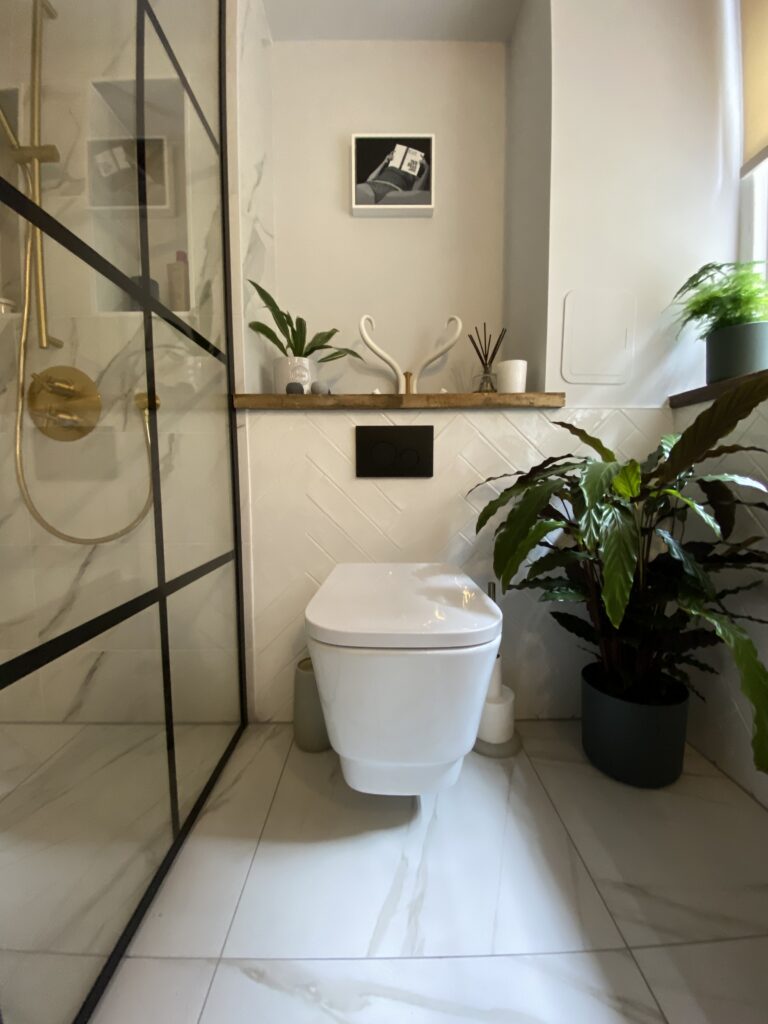
Plumbers with a great understanding of restroom layout are crucial for a successful design. They have the knowledge to utilize the space and make sure that all components work together.
First off, a plumber with bathroom layout experience can help you make the most of your area. They consider plumbing fixtures, electrical outlets, and ventilation systems to create an effective design. This prevents costly mistakes that could disrupt your bathroom’s functionality.
Plus, a plumber’s understanding of restroom functionality is essential for making sure that all elements work together. They can identify issues with water flow, drainage, and pipe positioning. Addressing these issues during the design phase prevents future problems like clogged drains or pipes leaking.
Also, plumbers with restroom design expertise know the importance of aesthetics. They suggest fixtures and materials that meet your needs and boost the look of your bathroom. For example, they can choose stylish faucets or coordinating tile patterns to enhance the design and make it look great.
Collaboration with other professionals
For a successful bathroom design project, collaborating with other professionals is key. This allows for seamless integration of elements and makes sure the final result is both attractive and functional.
The table below shows the professionals who should be included in the collaboration:
| Professional | Role |
|---|---|
| Plumber | Installs and connects plumbing fixtures, e.g. toilets, showers, and sinks. |
| Electrician | Handles electrical wiring for lights, exhaust fans, and heated towel rails. |
| Carpenter | Builds cabinetry, vanity units, and shelving systems. |
| Tiler | Installs tiles on walls and floors. |
| Interior Designer | Offers advice on color schemes, materials selection, and overall look. |
| Architect | Ensures the bathroom design is structurally sound. |
Working with these pros makes sure all design angles are covered. Each brings their own specialties for a harmonious outcome.
Depending on design needs, specialists like glass suppliers or stone masons might need to be involved too. The team effort ensures comprehensive planning and implementation.
A study by [source] revealed that bathrooms designed collaboratively have a 30% higher customer satisfaction rate.
Steps to involve a plumber in bathroom design
Designing a bathroom with the help of a plumber can ensure a functional and efficient space. Here’s a guide on involving a plumber in bathroom design:
-
- Start with a consultation: Seek the expertise of a professional plumber before commencing the design process. Their insights can help you consider important factors such as plumbing layout and fixture positioning.
-
- Collaborate on the layout: Work alongside the plumber to determine the best location for fixtures like sinks, toilets, and showers. They can advise on the most practical and efficient placement based on existing plumbing connections.
-
- Prioritize plumbing requirements: Plumbing systems play a crucial role in a bathroom’s functionality. Discuss your specific needs and desires with the plumber, such as multiple showerheads or a bathtub with jets, to ensure proper planning and installation.
-
- Plan for maintenance and repairs: Consider future maintenance and repair needs when involving a plumber in bathroom design. They can recommend access panels or other solutions to make essential plumbing components more easily reachable when necessary.
To add a touch of creativity to your bathroom design while involving a plumber, explore unique details like vintage fixtures, innovative lighting, or eco-friendly plumbing options. These details can enhance the overall aesthetic appeal of your bathroom while maintaining functionality.
Pro Tip: Don’t forget to discuss the budget and timeline with the plumber from the beginning to avoid any surprises along the way.
By involving a plumber from the early stages of bathroom design, you can ensure a well-designed space that meets your needs and avoids potential plumbing issues in the future.
Assessing the plumbing needs: When it comes to bathroom design, a plumber’s expertise is like a hidden treasure…just hope they don’t end up burying your dreams!
Assessing the plumbing needs
Creating a comprehensive table is essential to assess plumbing needs. Here is a breakdown of key components to include:
| Column 1: Fixture Type | Column 2: Water Supply Requirements | Column 3: Drainage Requirements | Column 4: Pipe Size | Column 5: Accessibility Considerations |
|---|---|---|---|---|
| e.g. sinks, toilets, showers, bathtubs | e.g. hot and cold water supplies for a sink | drainpipe diameter and slope | to ensure proper water flow and pressure | special requirements for individuals with disabilities |
Remember, assessing plumbing needs involves more than basic measurements. Water pressure and existing pipe location also matter. Proper evaluation gives seamless integration of new fixtures.
Seek guidance from an experienced plumber. Their expertise helps you avoid potential issues and achieve optimal functionality with your bathroom design. Collaborate with plumbers to get the best out of your design journey. Have a well-designed space that meets all your practical and aesthetic requirements!
Drawing up the plumbing plan and layout
Drawing up a plumbing plan and layout for the bathroom is a critical step. It requires careful planning to make sure that all the pipes and fixtures are put in the best places for efficient operation and attractive look. To help you, here is a 3-step guide:
-
- Check the existing plumbing: Examine the current plumbing system to establish what needs to be mended or modified. Look for any problems like leaking pipes or weak water pressure. This examination will give you an idea of what needs to be done during the redesign.
-
- Plan the layout: After checking the plumbing, make a layout for your new bathroom design. Think about where you want the fixtures like sinks, toilets, showers, and bathtubs. Make sure there is enough room for each piece while preserving the logic of the room.
-
- Consult a plumber: To make sure your plumbing plan is possible and follows safety regulations, contact a qualified plumber. They can provide their expertise and guidance throughout the design process, making certain that your plan matches the technical requirements.
Furthermore, consider other particular details related to your project. Things like building codes, accessibility requirements, and energy-efficient options should also be taken into account when designing the bathroom’s plumbing layout.
Survey results show that involving a plumber in the design stage can reduce future plumbing issues and expensive repairs.
Selecting suitable fixtures and materials
-
- Size and layout of the bathroom: small? Get space-saving pieces. Big? Go large!
-
- Style and theme: modern, traditional, or eclectic? Choose fixtures and materials that fit the look.
-
- Durability and quality: moisture-resistant and wear-and-tear tough.
-
- Maintenance: easy to clean and maintain for longevity.
Informed decisions = functional and visually appealing space, plus long-term durability and maintenance ease.
Installation and testing of plumbing systems
Plumbing systems installation and testing are essential for bathroom design. It is a complex task, so it’s important to hire a professional plumber for the job. Here are six steps for plumbing system installation and testing:
-
- Plan and Design: Make a comprehensive plan for your bathroom layout. Consider water supply, drainage, and pipe placement.
-
- Get Quality Materials: Invest in quality plumbing materials for durability and efficiency. Consult your plumber to get the right pipes, fixtures, and fittings.
-
- Pipe Installation: Connect the supply lines for water intake and drainage pipes for sewage disposal, following the design plan.
-
- Fixture Installation: Install sinks, toilets, showers, and bathtubs, and connect them to the corresponding water supply and drainage system.
-
- Testing: Fill all fixtures with water and look for any drips or unusual noises. Also, check for clogs or slow drainage issues.
-
- Final Checks: Look for leaks again and ensure adequate water pressure.
To ensure success, it’s important to keep extra details in mind. Collaborating with your plumber will help address any issues quickly. A survey by Water Safe found that almost 60% of indoor water leaks are caused by faulty plumbing installations. So, hire an experienced plumber for the job.
Benefits and potential challenges of involving a plumber in bathroom design
Having a plumber involved in bathroom design can bring numerous benefits and potential challenges. Let’s explore how their expertise can greatly impact the outcome of your bathroom project.
-
- A plumber’s knowledge and experience with plumbing systems ensures that the bathroom design will be practical and functional. They can suggest the best placement for fixtures and advise on efficient water and drainage systems.
-
- Plumbers often have a good understanding of the latest trends and technologies in bathroom design. They can provide valuable input on modern fixtures, materials, and layouts, helping you achieve a stylish and contemporary bathroom.
-
- With a plumber involved from the beginning, potential challenges and issues can be identified early on. They can assess the feasibility of your design ideas and identify any potential plumbing constraints, saving you time and money in the long run.
-
- If unforeseen plumbing issues arise during the construction phase, having a plumber involved in the design process allows for quick problem-solving. They can offer practical solutions and work closely with the rest of the team to ensure a smooth installation.
It’s worth noting that involving a plumber in bathroom design comes with some unique details. Their expertise extends beyond just the plumbing aspects. They possess a comprehensive understanding of the technical and compliance requirements, ensuring that the design meets all necessary standards and regulations.
Now, let’s dive into a true story that showcases the benefits of involving a plumber in bathroom design. A couple was excited about creating their dream bathroom and had meticulously planned every detail. However, during the installation, they discovered that the original design would not work due to the existing plumbing layout. Fortunately, their plumber creatively redesigned the bathroom, optimizing the available space and overcoming the plumbing challenges. The couple was impressed with the final result, highlighting the importance of having a plumber’s expertise from the design stage.
Who needs an architect when a plumber can turn your bathroom into a functional work of art – and fix your leaks?
Enhanced functionality and efficiency
Involving a professional plumber in the design of your bathroom can lead to many benefits. They can help with:
-
- Finding the best spot for pipes, making sure water will flow efficiently.
-
- Recommending the perfect positions for fixtures like sinks, toilets and baths.
-
- Designing effective drainage systems, preventing clogs and water damage.
-
- Suggesting eco-friendly fixtures to save water.
Plumbers can also offer innovative solutions based on your needs. They may suggest advanced plumbing technologies and materials that are both sustainable and long-lasting.
So, don’t miss out on this great opportunity! Involving a plumber will maximize the functionality and efficiency of your bathroom, while minimizing potential future issues. Get the dream bathroom you’ve always wanted!
Ensuring proper installation and compliance with building codes
Proper installation and compliance with building codes are essential for any bathroom design. Here’s a step-by-step guide to ensure proper installation:
-
- Plan ahead. Consult with a plumber during the design phase for potential challenges and seamless integration.
-
- Follow building codes. The plumber and you should work together to ensure installations are compliant.
-
- Regular inspections. The plumber and authorities should inspect regularly to catch any issues.
In addition, use quality materials for durability and to reduce the risk of leaks. Hire a licensed plumber too. Conduct routine maintenance and consider water-efficient fixtures for environmental conservation and cost savings.
By following these steps, you can ensure proper installation and compliance with building codes. You’ll have a functional space that meets all regulations and maintains high-quality standards.
Potential limitations and budget considerations
| 1. Expertise | A plumber’s skills may be limited to plumbing tech-aspects. |
| 2. Design Flexibility | Unusual design elements could be hard for a plumber used to standard installs. |
| 3. Cost | Carrying out complex designs or high-end fixtures may cost more than expected. |
Good communication among the plumber and other professionals is vital. It helps avoid misunderstandings and costly problems.
Pro Tip: Talk to each other to avoid budget issues or design problems.
Tips for finding a plumber with experience in bathroom design
Can a plumber design a bathroom?
Absolutely! Plumbers possess the skills to install pipes and fix leaks, but also to contribute to the design of your bathroom. Here are some handy tips on finding the perfect plumber for your project.
-
- Ask friends or family who recently renovated their bathrooms. They may know a talented plumber with experience in bathroom design.
-
- Search online for reviews and ratings of local plumbers. This will give you an idea of their expertise and customer satisfaction.
-
- Ensure that the plumber is licensed and insured. This proves that they have the required qualifications and will be responsible for any unfortunate accidents.
-
- Contact different plumbers and ask for quotes on your bathroom design project. This lets you compare costs and assess their skills.
-
- Inquire about their previous work with bathroom design. Ask for references or samples of their work to judge their quality and style.
-
- Meet with potential plumbers to discuss your ideas and vision. This will help decide if they understand and if you feel comfortable working with them.
Finding a plumber with experience in bathroom design is essential to ensure the best results for your project. Follow these tips and you’ll have no trouble finding the right professional who can turn your bathroom into a beautiful haven.
Time’s running out! Don’t miss the chance to upgrade your bathroom with a skilled plumber who knows bathroom design. Act now before it’s too late!
Conclusion
To figure out if a plumber can design a bathroom, we must look at their skills and expertise. Plumbing professionals know about water systems, drainage, and pipe installation.
But designing a bathroom needs more knowledge in planning the layout, looking nice, and knowing how the fixtures work.
A plumber might have some design skills, but it is best to ask an interior designer or architect for help.
These experts understand building codes, space, lighting, air, and which materials to use.
A plumber can give good info about plumbing and technical parts of the design, but only relying on them may not give the whole picture.
Having a pro designer or architect join in with the plumber at the beginning, gives the best of both worlds.
You get a bathroom that looks good and works well, fitting your needs and wants.
Don’t miss out on getting the bathroom you want – get advice from pros who make spaces to fit everyone’s needs.
Frequently Asked Questions
Q1: Can a plumber design a bathroom?
A1: Yes, a plumber can design a bathroom. While their primary expertise lies in installing and repairing plumbing systems, many plumbers also have experience and knowledge in bathroom design. They can provide valuable insights into the layout, fixtures, and functionality of your bathroom.
Q2: What qualifications should a plumber have to design a bathroom?
A2: A qualified plumber should have a good understanding of plumbing codes and regulations, as well as knowledge of bathroom fixtures and fittings. They should also have experience in designing bathrooms and be familiar with the principles of space planning, functionality, and aesthetics.
Q3: Can a plumber help with choosing bathroom fixtures and materials?
A3: Yes, plumbers can assist in selecting bathroom fixtures and materials. They can provide guidance on choosing fixtures that suit your needs and budget, as well as ensure compatibility with the plumbing system. However, for detailed design aspects, involving an interior designer or bathroom specialist may be beneficial.
Q4: Will hiring a plumber for bathroom design be expensive?
A4: The cost of hiring a plumber for bathroom design will depend on various factors such as the scope of the project, complexity of the design, and location. It is recommended to obtain quotes from multiple plumbers and compare prices. Additionally, discussing the budget and design requirements upfront can help in managing costs effectively.
Q5: Should I hire a separate designer and plumber for my bathroom project?
A5: It depends on the complexity of your bathroom project and your preferences. Some plumbers offer full-service bathroom design and installation, while others may collaborate with independent designers. Assess your project requirements, budget, and the expertise of potential professionals to determine whether hiring one or both would be more beneficial.
Q6: How can I ensure the plumber’s bathroom design aligns with my vision?
A6: Effective communication is key to ensuring your plumber’s design aligns with your vision. Clearly express your ideas, preferences, and goals for the bathroom. Sharing visual references, sketches, or mood boards can help convey your design vision effectively. Regular consultations and discussions throughout the design process also play a vital role in achieving alignment.