How Can I Save Energy in my Bathroom?
One of the rooms in the house that is used the most frequently is the bathroom, where energy usage can be fairly high. There are many places where you may make quick adjustments to lessen your impact on the environment and minimize your energy costs, from lighting to water heating. We’ll look at useful advice in this article on how to conserve energy in your bathroom without sacrificing convenience or comfort.
Tip #1: Take Shorter Shower
When you take a shorter shower, you will consume less water and energy in the bathroom. There are various methods for taking shorter showers. Try some of the following: turn off the water while shaving or soaping up; wash your hair every other day; set a timer; or play a fast-paced song for the duration of an intended shower. An average shower takes around 8 minutes, but a 4-minute shower could save you £20 a year.
Tip #2: Shower Head
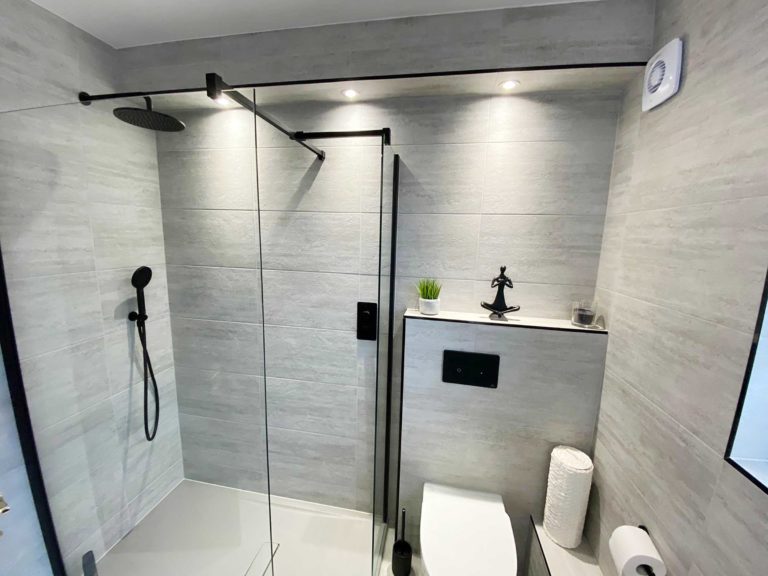
Modern high-efficiency showerheads can cut the 2.5 gallons per minute flow rate in half or more while maintaining the same level of comfort as other types while consuming less energy. Shower heads for bathrooms that conserve water maintain pressure without reducing water flow. Each person who takes a five-minute shower will use 2.5 fewer gallons of water overall each day as a result. Less water is used, requiring less energy to heat it.
Tip #3: Save Bathroom Lighting
Many people use 4-5 light bulbs to ensure brightness in their bathrooms, but doing so can be a significant energy waste. An illumination meter can gauge how bright a space is by measuring its brightness. If your bathroom still uses incandescent light bulbs, it’s time to replace them with LED ones. This will reduce your energy consumption and frequently allow you to turn off some lights. If you don’t immediately change your bulbs, there are alternative options to reduce your energy usage for illumination. Timers are an excellent idea in any bathroom, especially for kids and forgetful adults. Some even include touchless sensors that detect when someone enters the room and switch them on or off.
Tip #4: Insulate Your Water Heater
You can save water by insulating your water heater to help retain heat, reducing the energy needed to maintain the desired temperature. This is a simple and cost-effective way to improve the efficiency of your water heating system.
Tip #5: Switch to Shower
Most people shower instead of taking a bath every day. Bathtubs are more relaxing than showers, and they are also easier for bathing young children. A full bathtub can hold anywhere from 100 to 300 litres of water, but a half-full tub holds less. If you are concerned about water conservation, you can switch to a well-designed shower that can be both relaxing and water-efficient. You may also want to consider adding a steam shower to your bathroom when switching to a shower-only design. Steam showers use only about 3 gallons of water, and a 15-20 minute steam shower can provide exceptional relaxation and physical health benefits.
Tip #6: Turn Off The Water
This is common sense, but this is highly efficient. Turn off the water when you are done with the bathroom. By encouraging this behaviour, you are surely to reduce the amount of water you usually use.
Tip #7: Monitor Energy Consumption
If your bathroom has appliances like hair dryers or electric razors, opt for energy efficient models. Look for devices with the ENERGY STAR label, indicating they meet high energy efficiency standards.
More Saving Tips To Save Energy In Your Bathroom
Here are some more tips to save you money and help you save energy and water bills.
- Use a timer on your shower. This will help you to stay on track and take shorter showers.
- Take a bath instead of a shower. Baths can be more energy-efficient than showers, especially if you fill the tub halfway.
- Turn off the lights when you leave the bathroom. This may seem obvious, but it’s important to turn off the lights when you’re not using them to save energy.
- Unplug electronics when you’re not using them. Even when they’re turned off, electronics can use energy if they’re plugged in.
- Wash clothes in cold water whenever possible. Heating water accounts for about 90% of the energy used to do laundry, so washing clothes in cold water can save a lot of energy.
Save Water and Energy by Seeking a Professional Help
Remember, professionals have the knowledge, experience, and tools to implement energy-saving measures effectively. While there may be an initial investment, the long-term benefits in terms of reduced energy bills and a smaller environmental footprint are well worth it. By seeking professional help from experts like Bathrooms Scotland, you’re taking a significant step towards creating a more sustainable and eco-friendly bathroom.