What color makes a small bathroom look bigger
Color is vital to maximize the space in a small bathroom. Certain colors can make it feel larger, while others make it seem cramped. This article will explain how color affects size and give ideas on the best hues for small bathrooms.
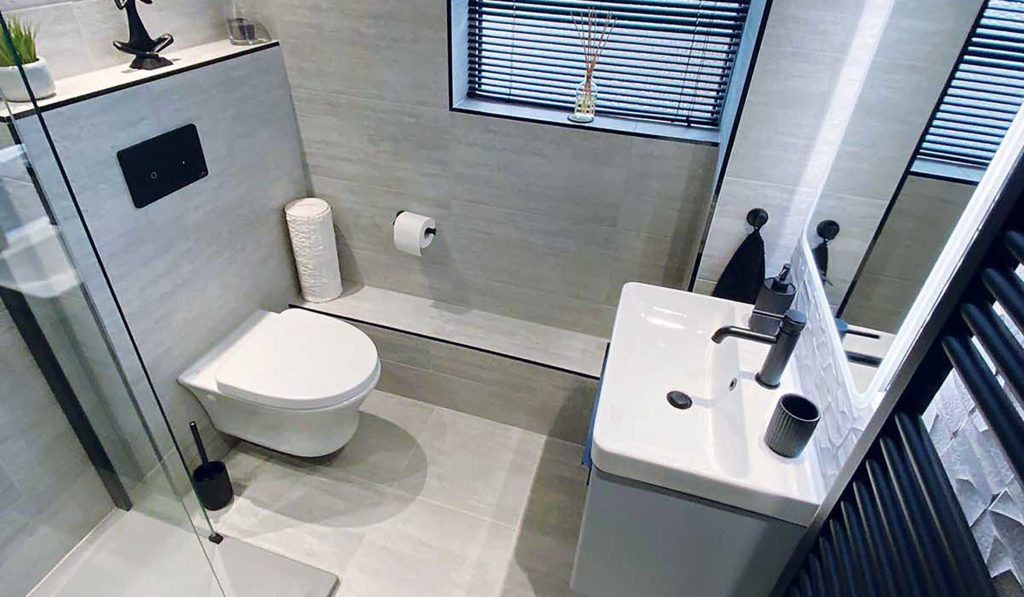
Lighter colors, like pastels, whites and neutrals, can reflect light and make the walls appear farther apart. Cool colors, like blues and greens, also create a more spacious feel, and when combined with the right lighting solutions, they draw attention to architectural features.
Darker shades should be used sparingly, as they absorb light and make the walls seem closer together. But they can be used strategically to add depth and personality without overwhelming the room.
Through the ages, architects and designers have explored ways to make small spaces look bigger without sacrificing style. By understanding color principles and finding a palette that fits your taste, you can turn any bathroom into an open oasis.
Understanding color psychology in small spaces
It’s key to grasp the impact of colors in small rooms. Colors can alter how a small bathroom looks, making it seem larger or smaller. To make a tiny bathroom appear larger, you should think about color psychology and pick the right hues.
Light shades create an illusion of openness and space. Neutrals give a clear, uncluttered feel. Monochromatic schemes provide a smooth flow and depth.
Furthermore, lighting and texture also have an effect. Light can improve colors and make a room look bigger. So, it’s sensible to have lots of natural or artificial light sources. Textures can add dimension to a small bathroom, so wallpapers or tiles with subtle patterns can make the room seem larger.
Pro Tip: Pick a unified color scheme for a tiny bathroom. This will make the space look bigger.
Choosing the right color palette
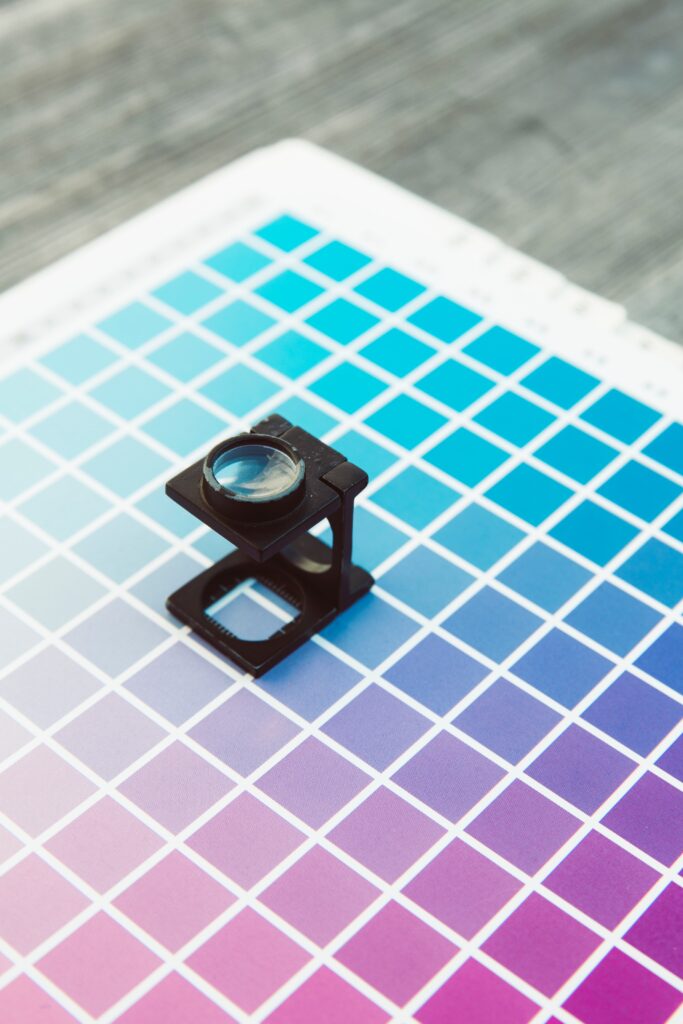
To make your small bathroom appear larger, choose the right color palette. Discover the impact of light colors on perception and how they can create an illusion of space. Additionally, explore the technique of creating contrast with accent colors to add depth and visual interest to your bathroom design.
Light colors and their impact on perception
Colors carry much meaning and can stir emotions. Especially, light colors have a huge influence due to their vibrancy and softness. We can use this to our advantage to show different feelings and shape how people view our message.
- Light shades like pastel bring serenity and peace. People link them to ease and they are great for spaces meant for rest or meditation.
- Baby pink and powder blue invoke innocence and cleanliness. Companies often use these for products related to babies or beauty.
- Light colors also make a room seem bigger. This makes them great for small areas.
Though light colors have many benefits, it is important to remember that too much of them can look dull. To avoid this, mix in darker colors or complementary bold accents.
So, take a chance and enjoy the world of light colors!
Explaining the concept of perceived space
Colors affect our emotions and how we perceive space. To get the desired atmosphere and visual impact in a room or design, it’s important to understand perceived space. It’s the concept of manipulating depth and dimension with colors of different hues, values, and saturation levels.
Cool tones create a larger, more open feel. Reds and yellows add coziness. Lighter shades make a space seem bigger; darker shades make it appear deeper.
Lighting and texture also have an effect. Natural light and glossy finishes make a space brighter and more expansive. On the other hand, artificial lighting and matte finishes add a sense of coziness.
When choosing a color palette, combine individual colors carefully. Experiment to create the desired atmosphere and visual impact. Remember that color is not only about aesthetics – it can transform how we see our surroundings.
Examples of light colors that make a small bathroom look bigger
Light colors have the power to visually expand small bathrooms. Let’s explore examples of how they can do this!
- Pale shades of white, such as ivory or cream, reflect natural light and make the area seem more open.
- Soft pastel colors, like baby blue or mint green, trick the eye into seeing more space.
- Neutral tones like beige or light gray provide a versatile backdrop and a spacious feel.
- Subtle pops of color through accessories or accents can add interest without overwhelming the room.
Lighting and mirror placement can also help enhance this effect.
Centuries ago, Italian architects used light hues to create grand palaces and public bathhouses. This technique created an illusion and added elegance.
Today, we can apply these historical practices for modern-day interiors. Experiment with different light color palettes to make your small bathroom feel bigger and inviting!
Creating contrast with accent colors
Mix up colors to emphasize certain elements. Try different hues and shades to create depth. Remember that colors can have a psychological effect on viewers. Combine warm and cool colors for harmony. Use complementary or analogous color schemes based on color theory. Only use accent colors in small amounts to avoid overdoing it.
Also, think about the audience and the message when picking accent colors. Cultural associations and preferences can help create contrast.
Historically, Renaissance painters used accent colors for effect. For example, Leonardo da Vinci added red to his earth-toned paintings to attract attention and tell a story.
Utilizing strategic painting techniques
To create a spacious illusion in your small bathroom, utilize strategic painting techniques. Painting the ceiling and walls the same color will bring harmony and openness. Using vertical stripes can create the illusion of height, while adding depth with colors on cabinets and fixtures enhances the overall perception of space.
Painting the ceiling and walls the same color
Painting the ceiling and walls the same colour is a timeless technique with many advantages. It can make a small room look bigger, create a sense of unity, highlight design elements, and simplify the decorating process.
Plus, it can create an illusion of height in low-ceilinged rooms. It’s also easy to choose one shade, instead of coordinating multiple colours. And, it gives more flexibility when changing furniture and accessories.
To get an even more stunning effect, use different finishes on both surfaces. For instance, a matte finish for a modern look or semi-gloss for subtle elegance.
This approach has been used since ancient times and it’s still relevant today. So, if you want to create a visually appealing space, consider this powerful strategy!
Using vertical stripes to create an illusion of height
Vertical stripes can create an illusion of height in a room. Use this painting technique to make walls look longer and the ceiling appear higher.
Choose lighter shades for the stripes. Pastel tones or neutral hues will reflect more light and create an open feel. Try different widths for subtle or bold effects.
Place the stripes from floor to ceiling for a seamless vertical line that draws the eye up. Add full-length curtains and tall mirrors for even greater impact.
Transform cramped or low-ceilinged rooms with vertical stripes. Light colors, varied widths, and other design elements will maximize the effect.
Adding depth with strategic use of colors on cabinets and fixtures
Strategically using colors on cabinets and fixtures can add depth to your space. Carefully select complementary hues to create a visually captivating environment. Make cabinets and fixtures stand out with the right color combination, for a sense of dimension and character.
Darker shades like navy blue or deep green on cabinets create a sleek and sophisticated look. Contrast against lighter walls or countertops adds depth. Paint edges or interiors of cabinets with a contrasting hue for an unexpected pop.
Metallic finishes like brushed gold or copper on fixtures catch the light and create visual interest. Select fixtures in colors that complement the overall color scheme of the room.
To elevate impact, consider textured paint finishes. For instance, faux wood grain technique on cabinet doors mimics natural textures found in real wood.
Be mindful of how you utilize color on cabinets and fixtures. Transform your space into a visually captivating haven that exudes style and sophistication. Unleash creativity and explore color combinations and techniques to bring depth to your home. Create a space that reflects your unique personality and style!
Enhancing the illusion of space with lighting
To enhance the illusion of space in a small bathroom, maximize natural light and incorporate artificial lighting strategically. Maximizing natural light allows the room to appear brighter and more expansive. Incorporating artificial lighting strategically helps to create depth and highlight key areas.
Maximizing natural light
Maximizing natural light is key. Large windows let in plenty of sunlight and make a room look larger. Good lighting not just looks nice, but boosts moods and productivity.
Light-colored curtains or blinds help let in more light and soften the ambiance. Using mirrors or glossy walls and furniture reflects light around the room, giving it a bigger feel.
Keep windows clean and free of any obstructions. Try using high-gloss tiles or pale-colored rugs on the floor. They will reflect the light from the windows and brighten up even the dimmest spots.
Incorporating artificial lighting strategically
Strategically using artificial lighting can make a room feel bigger. Here’s an example:
| Lighting Type | Placement | Effect |
|---|---|---|
| Task Lighting | Above work areas | Highlights specific zones |
| Ambient Lighting | At different heights on walls | Creates a warm ambiance |
| Accent Lighting | Along walls or behind objects | Adds depth and dimension |
Using these lighting types creates a dynamic and visually appealing environment.
Mirrors are another way to strategically use artificial lighting. Place a mirror opposite a window or near a light source to reflect light and make the room appear brighter and more spacious.
Centuries ago, architects used natural light to create an illusion of grandeur. They designed buildings with large windows and open spaces. Today, we use these ancient design principles to make modern environments appear larger.
Choosing complementary elements to enhance the effect
To enhance the effect of choosing complementary elements in a small bathroom, opt for the right flooring options, use mirrors to create depth, and select streamlined and minimalistic fixtures and furniture.
Selecting the right flooring options
When it comes to flooring, there are many options to choose from.
- Hardwood is durable, timeless and adds warmth. But, it needs regular maintenance and may get scratched.
- Laminate is affordable and resists stains/moisture, but it isn’t as durable.
- Vinyl is versatile, cheap and easy to clean but can fade in sunlight.
- Carpet is comfy, but it can stain easily and needs regular cleaning.
Pro tip: For a cohesive look, choose flooring that goes with the style and color scheme. Lighter options in small rooms create an illusion of more space.
Using mirrors to create the illusion of depth
Mirrors can be used to give the illusion of additional depth and dimension to a space. The trick is positioning them in the right places. Opposite windows or light sources can add brightness and openness, making the room appear larger. Placing mirrors on adjacent walls creates a visual continuation, creating the impression of more space.
To see how this works, here’s an example:
- When you place a mirror opposite a window or light source: The result is increased brightness and depth.
- When you place a mirror on adjacent walls: This can create a visual expansion of the space.
For maximum effect, it is important to consider size, shape, and frame design when selecting mirrors. By choosing elements that complement the overall aesthetic of the space, one can further enhance the illusion of depth. As Architectural Digest magazine reports, renowned designer Kelly Wearstler often uses mirrored surfaces to enrich spatial experiences.
Opting for streamlined and minimalistic fixtures and furniture
Streamlined and minimalistic fixtures and furniture can give a space a great look. These design choices make it clear and uncluttered, promoting a sense of serenity and simplicity. Here are five tips to consider when selecting streamlined and minimalistic items:
- Choose furniture with basic lines and a minimalist design. Avoid too much decoration or decorative elements.
- Go for materials like glass, metal, or wood in neutral tones. This will give a consistent and subtle look.
- Make the colors simple and monochromatic. Choosing one or two main colors will help keep the minimalistic design.
- Utilize built-in storage solutions to keep things out of sight and keep the area tidy.
- Think about multifunctional furniture that serves more than one purpose. This will save space while sticking to the minimalist style.
Also, pay attention to small yet effective details. For example, selecting lighting fixtures that match the overall design can provide a refined finish. Plus, adding natural elements such as plants or indoor water features can add a healthy touch to the space.
To show the effect of streamlined and minimalistic fixtures and furniture, I want to share a real story. A friend of mine recently changed their living room by using these principles. By selecting sleek sofas, basic coffee tables, and simple wall-mounted shelving units, they turned their cluttered space into a modern, tranquil oasis. The neat lines and understated elegance created a welcoming atmosphere that immediately impressed visitors.
Conclusion
Create an illusion of a bigger space in a small bathroom with the right choice of colors. Whites and pastels are reflective and bounce natural light, making it seem bigger. Incorporate mirrors strategically to enhance depth and create an optical illusion of extended space. Draw the eye upward using vertical stripes or patterns on the walls, giving the impression of a taller ceiling. Take inspiration from ancient Roman bathhouses; they used white marble for its brightening effect. This timeless design principle is still applicable today!
Frequently Asked Questions
Q: What color should I paint a small bathroom to make it look bigger?
A: Light and neutral colours such as white, pastels, and soft shades of blue or green can help create an illusion of space and make your small bathroom appear larger.
Q: Can I use dark colours in a small bathroom?
A: While dark colours can add drama and depth to a room, they tend to absorb light and make a space feel smaller. It’s best to avoid using dark colours in a small bathroom if you want to create an airy and spacious feel.
Q: Should I use a single color or multiple colours for my small bathroom?
A: Using a single colour throughout your small bathroom, including walls, floor, and fixtures, can create a seamless and unified look, giving an impression of spaciousness. However, if you prefer some variation, you can consider using different shades or tones of the same colour to add depth.
Q: Are there any specific wall paint finishes that work well in small bathrooms?
A: Semi-gloss or satin finish paints are ideal for small bathrooms as they help reflect light and create a sense of openness. These finishes are also more resistant to moisture and can be easily wiped clean.
Q: Can I incorporate bold colours in a small bathroom without making it feel cramped?
A: Yes, you can use bold colours in a small bathroom, but it’s best to use them as accent colours rather than on larger surfaces. Consider incorporating bold colours through accessories, towels, or artwork to add personality without overwhelming the space.
Q: What other design elements can help make a small bathroom look bigger?
A: Besides choosing the right colours, using mirrors to reflect light, installing proper lighting, keeping the space clutter-free, and selecting appropriate-sized fixtures can also help create the illusion of a larger bathroom.


