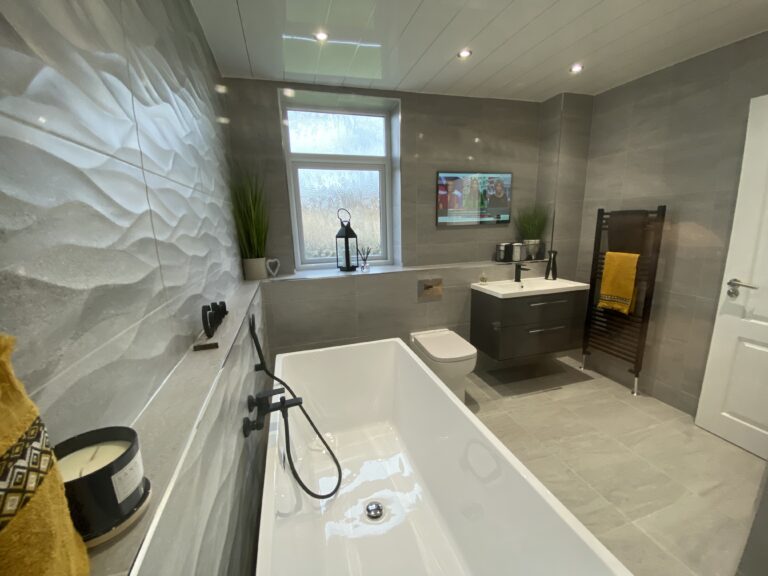
Should bathroom walls be lighter or darker
Bathroom walls are key for a bathroom’s atmosphere. Choosing between lighter or darker walls can change the vibe and usability of the space. You must take several elements into account when deciding on your bathroom’s wall colors.
Size matters. If your bathroom is small, lighter hues like pastels or neutrals can make it look bigger and brighter. If you have a bigger bathroom, darker colors such as navy blue or charcoal grey can give it depth and intimacy.
Take into account the use of the bathroom. If you use it mainly for grooming, opt for brighter walls to provide sufficient lighting for tasks like applying makeup or shaving. But if it’s mainly for relaxation, darker walls can be more soothing.
Personal preference is also key. Do you prefer bright colors or calming and neutral tones? Pick a color scheme that fits your personality.
Finally, for the paint finish, select moisture-resistant options like satin or semi-gloss. These are easy to clean and protect against humidity and water splashes.
Explanation of the importance of bathroom wall color
When it comes to bathroom walls, the choice of color is key. Lighter shades create an open, airy space. Whereas darker hues offer sophistication and cosiness.
Pastels and neutrals are great for smaller bathrooms without much natural light. They reflect the light, making the room feel larger. Plus, they provide a blank canvas for other elements.
Darker colors like deep blues, greys, or black exude luxury. They make a large bathroom feel cosy. However, they absorb light, so proper lighting is essential.
Practicality should also be considered. Lighter walls are easier to clean and maintain, as they don’t show stains or marks easily. Darker walls may show watermarks more visibly.
Pro Tip: Consider the overall style and size of the space when choosing a color. This will help create an atmosphere that suits your needs.
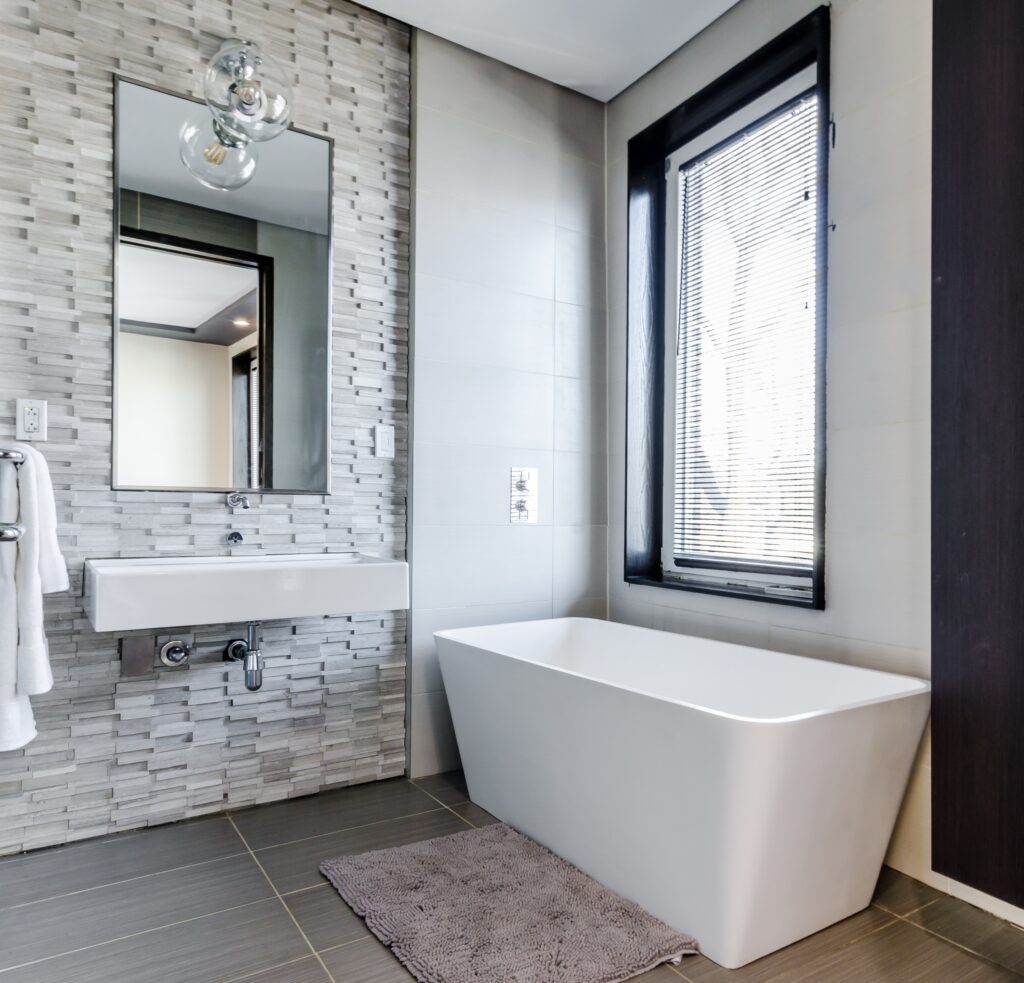
Advantages of lighter bathroom walls
When selecting the perfect hue for bathroom walls, lighter tones offer lots of benefits.
First, they give the illusion of a roomier space, even in a cramped bathroom.
Second, they reflect light better, helping to make dim bathrooms brighter.
Also, lighter walls can make the room feel more tranquil and inviting.
Plus, they are more versatile when it comes to decor and accessories.
Lastly, they’re less likely to show dirt and stains, reducing the need for regular cleaning.
Disadvantages of lighter bathroom walls
Light-colored bathroom walls can have some drawbacks.
Stains and marks are more visible, making cleaning time-consuming.
Also, the walls may make the bathroom appear smaller and less spacious.
Durability and paint longevity could be lower, meaning more repainting.
Light walls may show aging and wear more easily, so they need regular upkeep.
In bathrooms without much natural light, the walls may look dull.
Lastly, lighter walls may not match certain bathrooms’ decor styles; darker shades may provide a better contrast.
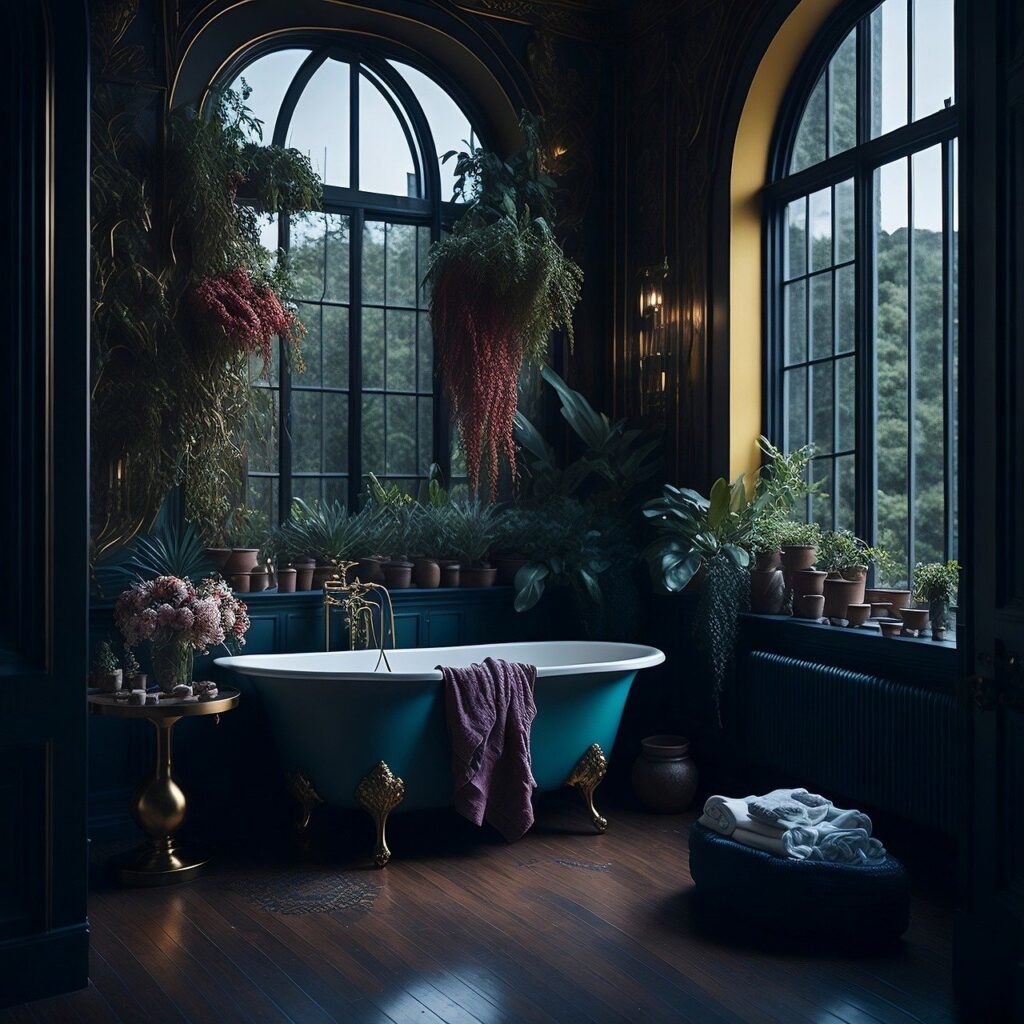
Advantages of darker bathroom walls
Darker bathroom walls come with numerous benefits. Such as:
- Making the bathroom feel cozy and intimate.
- Hiding dirt and stains.
- Making fixtures stand out.
- Increasing visual depth.
- Providing privacy.
Plus, darker walls provide a chance to experiment with different textures or patterns. Wallpapers, textured paint – they can all add an extra layer of visual interest.
Did you know? The Egyptians used dark colors and black stones for their bathhouses to ward off evil spirits. It also gave their bathrooms a luxurious feel.
Disadvantages of darker bathroom walls
Darker bathroom walls come with several drawbacks.
- They tend to make the room feel smaller and more enclosed due to the lack of light reflection. This makes the space feel cramped and not very inviting.
- It is hard to spot dirt and grime on darker walls, especially in a poorly lit bathroom. This means more extensive and frequent cleaning is necessary for hygiene.
- Darker walls absorb natural light, so the atmosphere is gloomy. This is more of an issue with bathrooms without windows or limited natural light sources.
- Applying makeup or grooming tasks is difficult in insufficient lighting combined with dark wall colors. It is hard to get accurate color representation and precise application.
In addition, darker bathroom walls may not go with all fixtures and decorations. It’s important for the overall aesthetic that the wall color works with other elements.
Lastly, darker walls can give a sense of dirtiness or lack of maintenance. Lighter walls, on the other hand, are associated with cleanliness and hygiene.
These disadvantages mean you should think carefully whether dark-colored bathroom walls are suitable for your space.
Pastels or neutrals are lighter wall options that give off a brighter ambiance, and they reflect light better than darker colors. So, these would be the better choice to avoid the disadvantages mentioned.
Colour Affects, a UK-based organization studying color effects, states: “Dark colors absorb more light which leads us into perceiving objects in shades closer to black.”
Factors to consider when choosing bathroom wall color
Choosing the correct color for your bathroom walls can have a big effect on the look and feel of the room. To make an informed decision, there are certain things to consider:
- Lighting: If natural light is scarce, lighter shades can give the impression of a larger and brighter bathroom. On the other hand, if your bathroom is flooded with natural light, darker colors can add warmth and depth.
- Style and Mood: Neutral colors like white or beige will give a timeless, classic feel. While bolder tones such as navy or deep green can create a luxurious or modern atmosphere. Choose a color that ties in with the overall theme.
- Maintenance: Consider the upkeep of the chosen wall color. Lighter tints can show dirt and require more frequent cleaning, while darker colors can hide dirt but may be harder to touch up if chipped or faded.
- Size, layout, existing fixtures, and personal preference should also be taken into account.
If you’re stuck, here are some ideas:
- Pale blue: Great for bathrooms with little natural light – will create an airy and refreshing space.
- Gray: Suits any style and lends sophistication and elegance.
- Pale pink: Delicate and feminine without being overpowering.
In conclusion, finding the right wall color for your bathroom requires consideration of lighting, style, mood, and maintenance. By taking all of these into account and exploring different color options, you can create a bathroom that looks amazing and functions well.
Conclusion
When designing bathrooms, it’s essential to weigh up the pros and cons of light or dark walls. Light walls make a room seem airy and bigger, while dark walls add depth and a luxurious vibe.
Light-colored walls in bathrooms can make them appear larger, especially if they are small. Plus, the light reflects better off lighter surfaces, giving the space a more inviting atmosphere.
Dark walls in bathrooms can bring a sense of sophistication and drama, like those of high-end spas or hotels. Plus, dirt and stains don’t show up as easily on dark surfaces.
The choice between light or dark walls comes down to personal preference and the atmosphere you want to create. Think about the natural light, size, and existing color scheme when making your decision.
Interior Designer Jane Smith said: “Selecting the correct color for your bathroom walls is essential to creating a warm and pleasant atmosphere. Lighter colors can make small bathrooms feel more spacious, while darker colors can add a touch of elegance and sophistication.” Consider this when picking the perfect shade for your bathroom walls.
Frequently Asked Questions
Q: Should bathroom walls be lighter or darker?
A: The choice between lighter or darker bathroom walls largely depends on personal preference and the overall design goals for the space. Both options have their advantages and considerations.
Q: What are the benefits of lighter bathroom walls?
A: Lighter walls can make a small bathroom feel more spacious and airy. They also reflect natural and artificial light better, enhancing brightness and creating a refreshing atmosphere.
Q: Are there any advantages to having darker bathroom walls?
A: Darker walls can create a cozy and dramatic ambiance in the bathroom. They can also conceal dirt and stains more effectively, making maintenance easier.
Q: Will lighter walls show more dirt and stains?
A: Lighter walls might show stains and dirt more prominently, especially if not cleaned regularly. However, using washable paint and proper cleaning techniques can mitigate this issue.
Q: Can darker walls make a small bathroom appear even smaller?
A: Darker walls have the potential to make a small bathroom appear slightly smaller because they absorb light rather than reflect it. However, proper lighting and contrasting elements can offset this effect.
Q: Should I consider the overall bathroom color scheme when deciding wall color?
A: Yes, it is advisable to consider the overall bathroom color scheme, including fixtures, tiles, and accessories, when deciding the wall color. Cohesion and harmonious design can greatly enhance the overall visual appeal.